
Connection and Care: On the Ethics of Representation

Some years ago, a student approached me after a talk on my work and asked where I’d learned to treat people so well. What module had I taken? Had I been taught this at university when I was a student? Where could they also learn this?
At first, the question both amused and perplexed me; was I really being asked how to be a decent person? But it also left me somewhat concerned by what I was being asked. I had just delivered a talk reflecting on thirty years of practice and for me the way I work with people is not something I consciously learned or adopted but rather is ingrained. But for this student, full of apprehension on making the right choices in their work, they wanted to check that their own moral compass was operating as it should. That’s not a bad thing but it is rather concerning that as image makers this is not just a natural state of being, or one reflected on from the moment a camera is picked up to represent the lives of others.
For me, ethical practice is an extension of what it means to be human, to be a decent person. Of course, expecting others will also act likewise is a hopeful but likely naïve viewpoint, assuming that humankind is intrinsically good, because evidence to the contrary proliferates throughout.
Regarding my personal view and practice, an “ethics of representation” follows me throughout all my work, whether in short encounters or long-term projects. It covers context, meaning, relationships, engagement, and dissemination. Crucially, it is not only the practitioners, such as you and I, who create the work who must adhere to ethical practice, but also those we work with as partners: commissioners, editors, curators, or collaborators. I’m aware this is a subject for chapters not pages, so will limit myself here, reflecting on ethics relevance to documentary photography especially in the context of issues-based work.
The Premise of Care
My own work focuses on individuals and communities, with stories related to place, belonging, and personal history. In some photographic series, I look at how social and economic conditions shape life choices and paths. Some work is intimate and story-based; other work is more distant, abstract, and concept-led. My practice ranges from multi-visit projects developed over months or years to much shorter-term projects. Both are important and necessary for me to maintain balance in how I want to work.
Within my long-form documentary practice, a relational approach is central to maintaining trust. That might entail multiple visits, interviewing, talking and observing. In some ways, my work is about gaining knowledge through that trust and connection and translating it into images.
Within this, it is care that shapes my process. I can’t offer rules or tick boxes to reassure you that you’re being ethical. What I can do is describe briefly how I work. Even then, each situation is unique, each person and each story requires its own approach. Some people want a lot of contact, some one-off – that is part of reading the situation. Ethical practice starts as soon as I first meet a person. I explain how and why I am making the work, what my intentions and interests are. I often show examples of previous projects and discuss where the work will likely be seen and under what conditions. People often tell you things that the public could unfairly judge them on and it is also the responsibility of the photographer to know what to share publicly and what not to share.
For me, this judgement call comes from knowledge gained over 30 years of photographing, exhibiting, publishing, teaching, and speaking about documentary photography. It is about understanding audiences, their potential reactions, and holding close the responsibility that comes with making work. A significant part of my work is built on challenging stereotypes, so what is released publicly concentrates on people as multidimensional human beings and not limited to just illustrating difficult life circumstances. People are more than their circumstances, and my work strives to show that complexity and nuance. Not every project is long-form or intimate, but the same approach sits underneath it all.
I’ve spent years pondering the work I do, discussing it, analysing it, pulling it apart and putting it back together. Sometimes metaphorically, sometimes literally. Nuance emerges within each situation and context, with questions about what photography is, who it is for, who it benefits, and how it does so. Since the early 1990s, my work has been grounded in this principle of care. I care how people are shown, what details are known about them, and what narratives are attached to their lives. That care is a fundamental part of my work’s ethical structure. If that basis of care is ignored when my work is shared, or, alarmingly, overridden by others, it puts at risk the trust the work depends on.
Meaning and Place
I have worked in many situations with different people, different lives, in different circumstances. Some meetings are transient; some are in-depth. Photographing a one-off street portrait is different from a four-year project on home, belonging and experiences of homelessness.
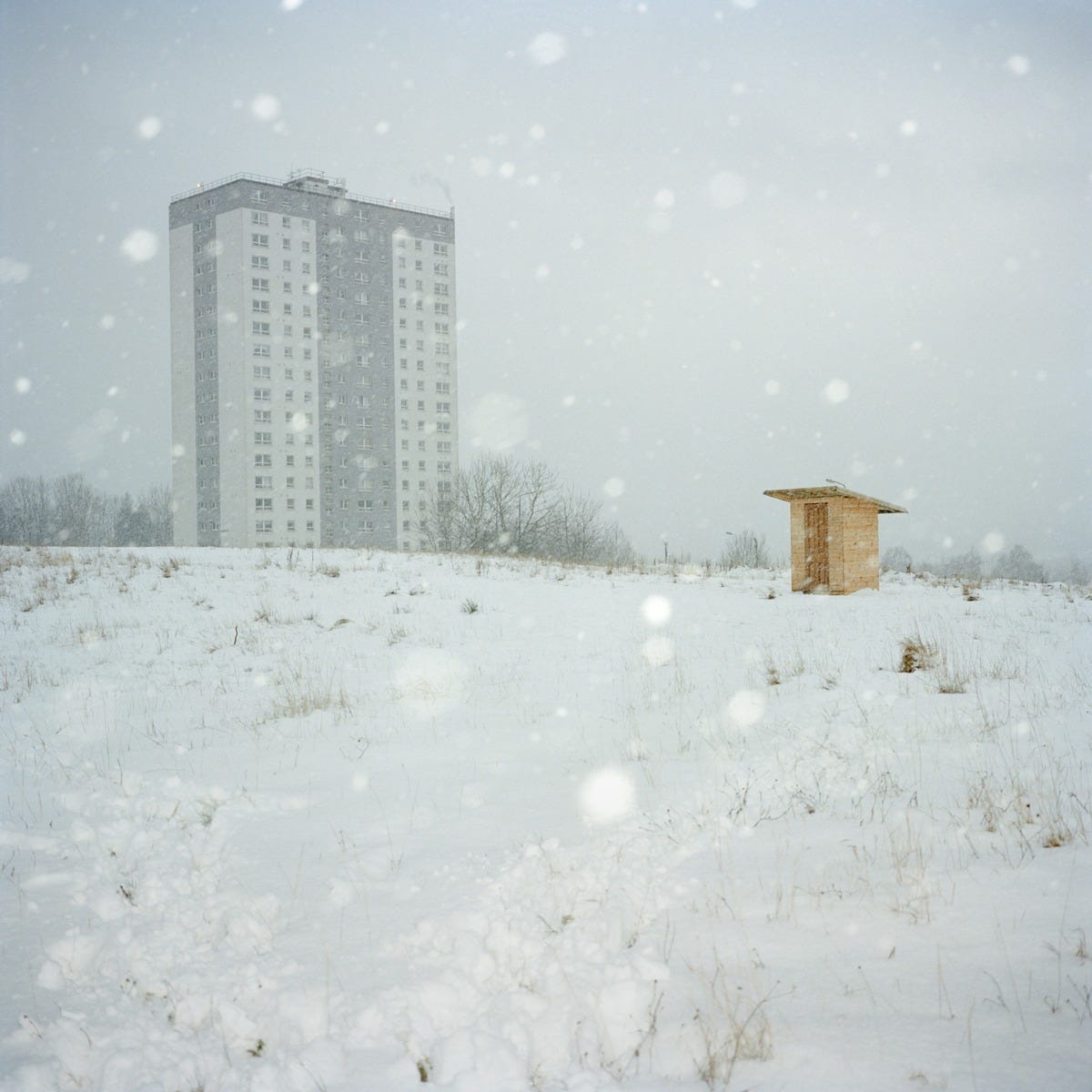
The meaning of “place” works on at least three levels in documentary photography. Firstly, there is the physical place where the photograph is taken, and the story and meaning that setting carries with it. Secondly, there is the social place, embedded in structures that enable or hinder the ease with which life is lived, fundamentally shaped by privilege and disadvantage. Thirdly, there is the place images are seen and “consumed”, whether that is a gallery wall, a book, a newspaper, a website, or social media.
Each of these places shapes meaning, and each one carries its own ethical responsibilities. Photographing a child, for example, is different from photographing an adult; photographing social conditions is distinct from more conceptual work. Ethical practice in photography is context-specific: the who, where, and why. Photography is both beautiful and powerful for it can stop a moment and hold it carefully, often with tenderness. The image below is of a young girl on her first day at school in the early 1990s. As adults, we might recognise moments like this from our own childhoods, or those of our children, a rite of passage from one state to another.
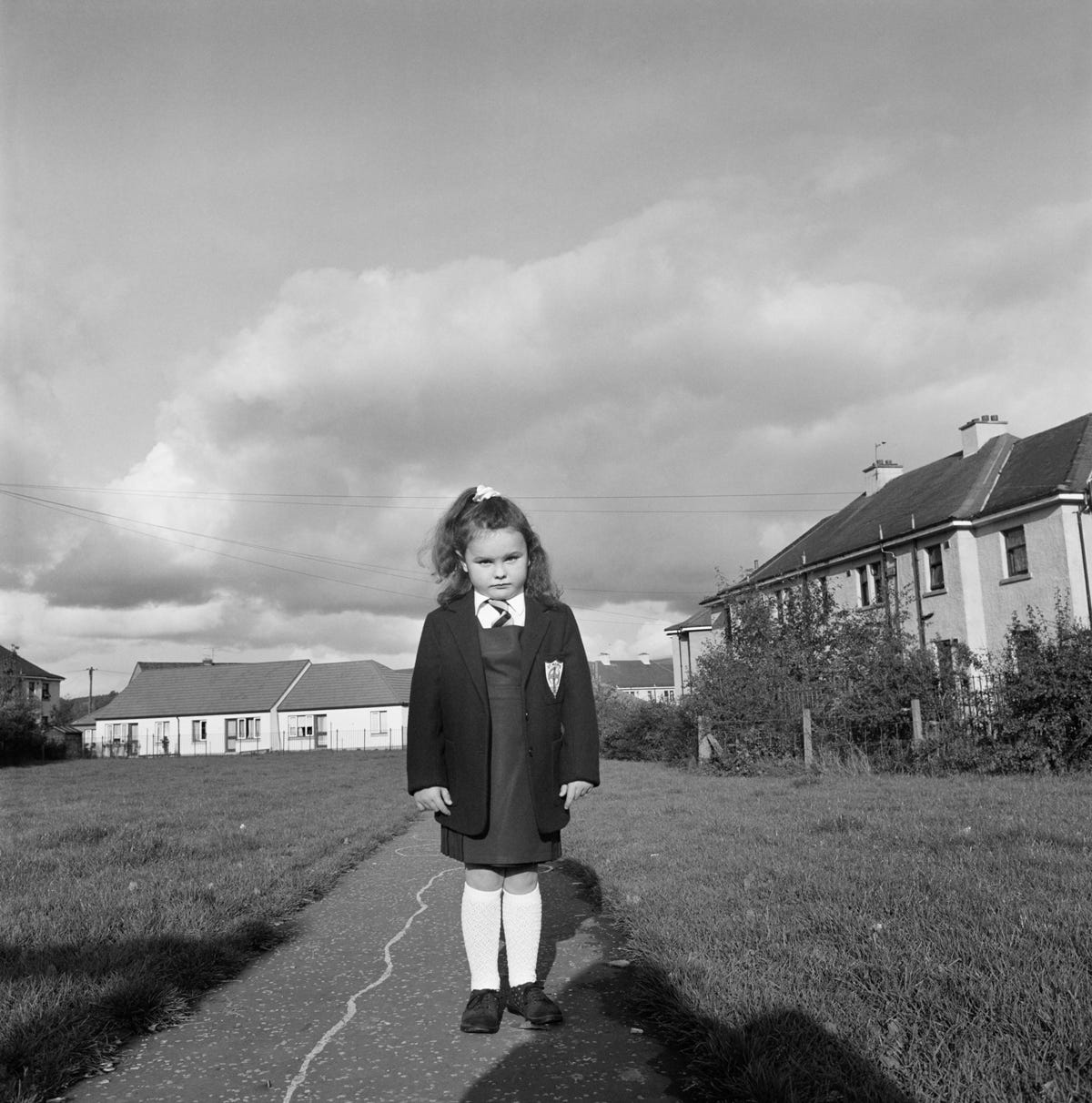
Yet there is another layer in this image because the area fell within the top 5% on multiple deprivation measures in government statistics: a place and a community often judged, with assumptions made and stereotypes applied. My mum lived next door to this little girl’s family, having moved to the area shortly after I left home aged 17. I understood how this place, this community, was judged by others, for I saw it from a time my mum did not live there and then from the time she did. This recognition coincided with my start in photography and my growing interest in representation, identity, and how stereotyped views of people were created and reinforced. Views such as who lived in this community, what they did, and what they were like. Of course, these stereotyped opinions were all based on glib and inaccurate assumptions about the area and its people.
Instead, I wanted to focus on those gentle markers of what it is to be human. This little girl was an example of our shared experiences, an emblem perhaps, a bridge to commonality and a recognition of sameness, not difference.
The ethics of taking the photo and sharing it, sit alongside the idea of making that common experience visible: not presenting her as mired in social issues but as a child in her new uniform, hair tied back, blazer a little stiff and scratchy, full of anticipation but also trepidation.
A copy of this image was given to the parents back in the early 1990s, and the image has featured in various exhibitions since. Questions could be raised on agency when photographing children, but this sits alongside how the work is made, for what reason it is made, and where it goes. It also takes us into the realm of censorship and how we, as documentary photographers, navigate both ethics and the act of documenting whilst creating meaning and legacy for the future. If work is not created and stories not told, then the narrative of history changes.
Publication and Responsibility
The ethics of care do not end with the taking of photographs but extend into a project’s dissemination, into how the work is seen and understood, where it is shown, who sees it, and under what conditions it is shared. An Ordinary Eden is a body of work I made over more than four years involving individuals who had experience of homelessness or precarious housing, asking how “home” is achieved when safety, stability, and belonging have been disrupted.
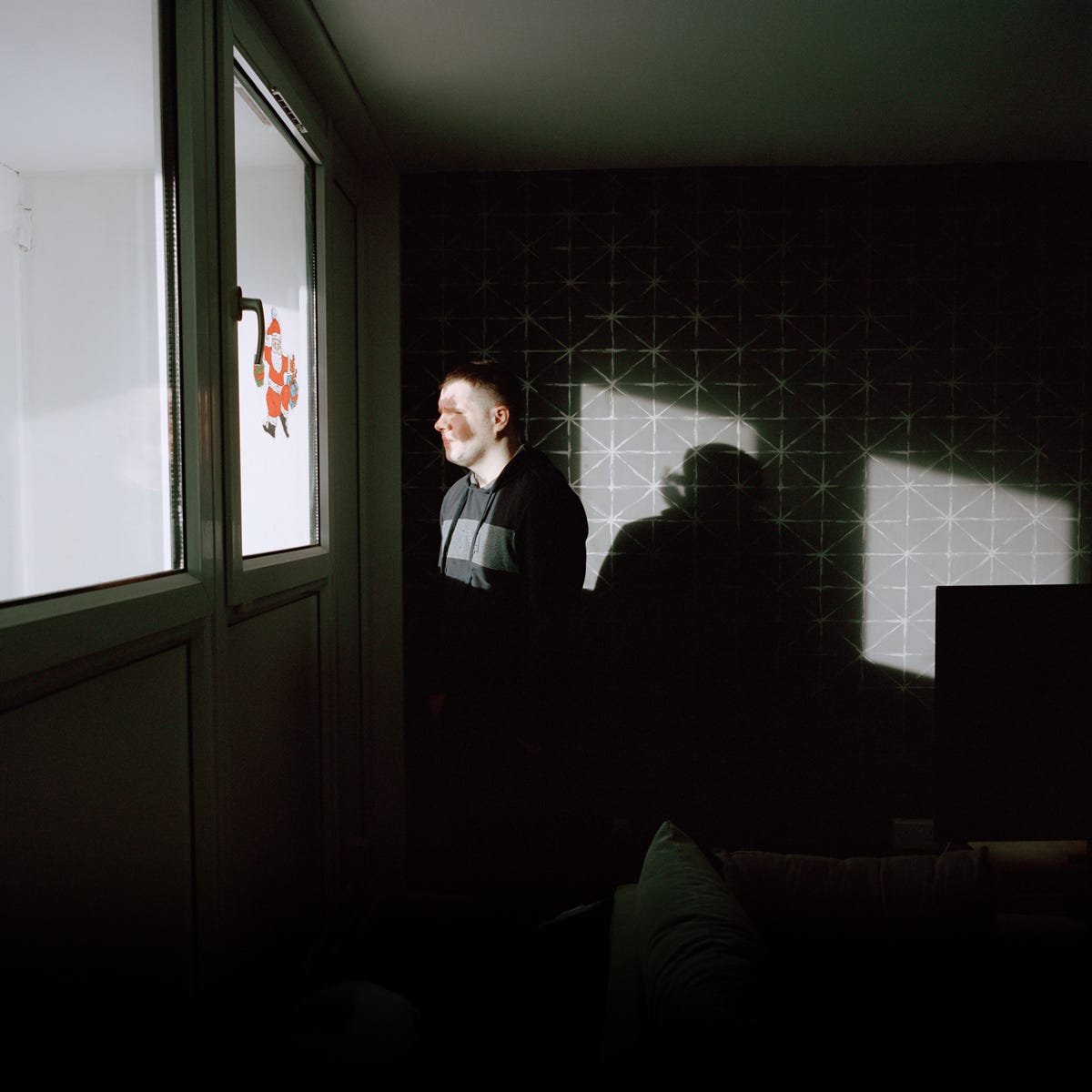
Ethics were built into the making and showing of this work, from writing text that reflected the interviews, to ensuring that the work remained truthful to the project’s meaning and to the people whose lives are represented across various platforms and media. A book which accompanied the exhibition also raised money for Shelter Scotland’s hardship fund, giving the project a circularity.
Ethics can influence how we photograph a person to the extent of whether or not to disclose their identity, and in this project such a situation arose. One woman wanted her story told but needed a level of protection, leading me to anonymise her identity due to the very real safety concerns connected to her situation. Working ethically meant respecting these safeguarding needs whilst also finding ways to observe, interpret and document a life lived.
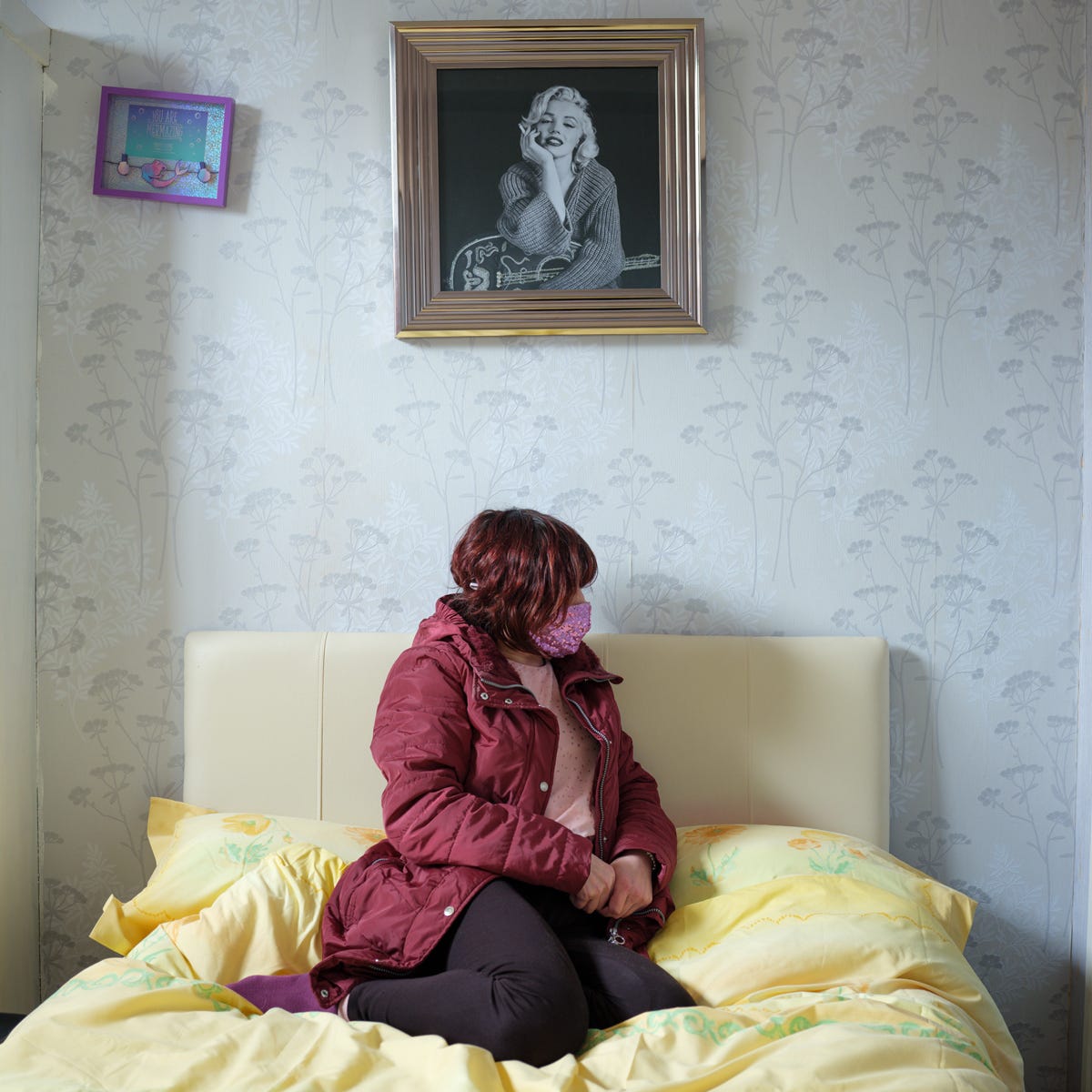
The image “Name Withheld” has levels of both reality and fantasy, of a life wished for and a life experienced. There are touches of glitter in the woman’s facemask and little sparkles in the images on the wall behind her. But she hasn’t taken her coat off because she had no heating. The accompanying text references her experiences of homelessness, domestic abuse, and the lasting impact of trauma.
After the main exhibition, this image also featured in the Taylor Wessing exhibition at the National Portrait Gallery and an article on the Shelter Scotland website. The text for these was all pre-approved by the woman. Work from the project was featured on multiple outlets online and in print, each time I managed that dissemination to ensure the integrity of the work and the trust put in me by those I photographed.
Beyond the Photographer: Considering the Ethics of Others
There is a clear power differential in photography, and it is here we have to be ever mindful of our moral compass and translate that into an ethics of representation. A useful starting principle is reversal: would you be comfortable being treated and shown like this if the roles were reversed? I’d like to think that this would rule out some bad behaviours but unfortunately, both individuals and organisations can be unreliable narrators, especially when ambition and ego appear, and their self-justification can be persuasive, leading to unethical decisions. This applies not only to people creating the work initially, but also for those involved in its dissemination.
Ethical discussions in documentary photography are mostly framed as responsibilities exercised by the photographer toward those they photograph. Yet this obscures a critical dimension: ethics can also be breached against photographers, through the actions of others.
This can involve, for example, disregarding authorship, consent, and the integrity of a body of work. And when ethical concerns challenge established power, when David goes against Goliath, upholding ethics can be treated by organisations as secondary to defensiveness and self-interest. We see similar dynamics across many sectors, particularly where accountability is at stake.
The duty of care extends beyond the making of photographic work into its release and extended life. Documentary photographers are not service providers, they are creators of meaning, responsible for how stories are built, shaped, and how lives are represented. The integrity of my work is paramount; it is about care in how images are first made, then encountered and understood. A photograph should never be detached from the conditions in which it was made. It is a protective measure, that agreements are honoured to those who entrust us with their representation, their stories. Photography must hold its power wisely, knowing the responsibility of image making, and keeping ethics at its centre.
Final Thoughts
A final story from me, from work I did of people living with terminal illness. In As the Day Closes, the relationships I built with those I photographed allowed an insight into what preoccupied them at this juncture in their life story, when time itself had become limited. One man, I met exactly one month before he died, visiting him multiple times as trust and connection grew. I observed him reconnecting with his family. I met his daughter and granddaughter, sat with them, talked with them, documented and interpreted.
I noticed a jar holding a sticky-note pad; on my first visit it was sealed and unused, and by the second, small notes of love and loss had appeared, written for his baby granddaughter. This tender detail led to my portrait of him holding the jar.
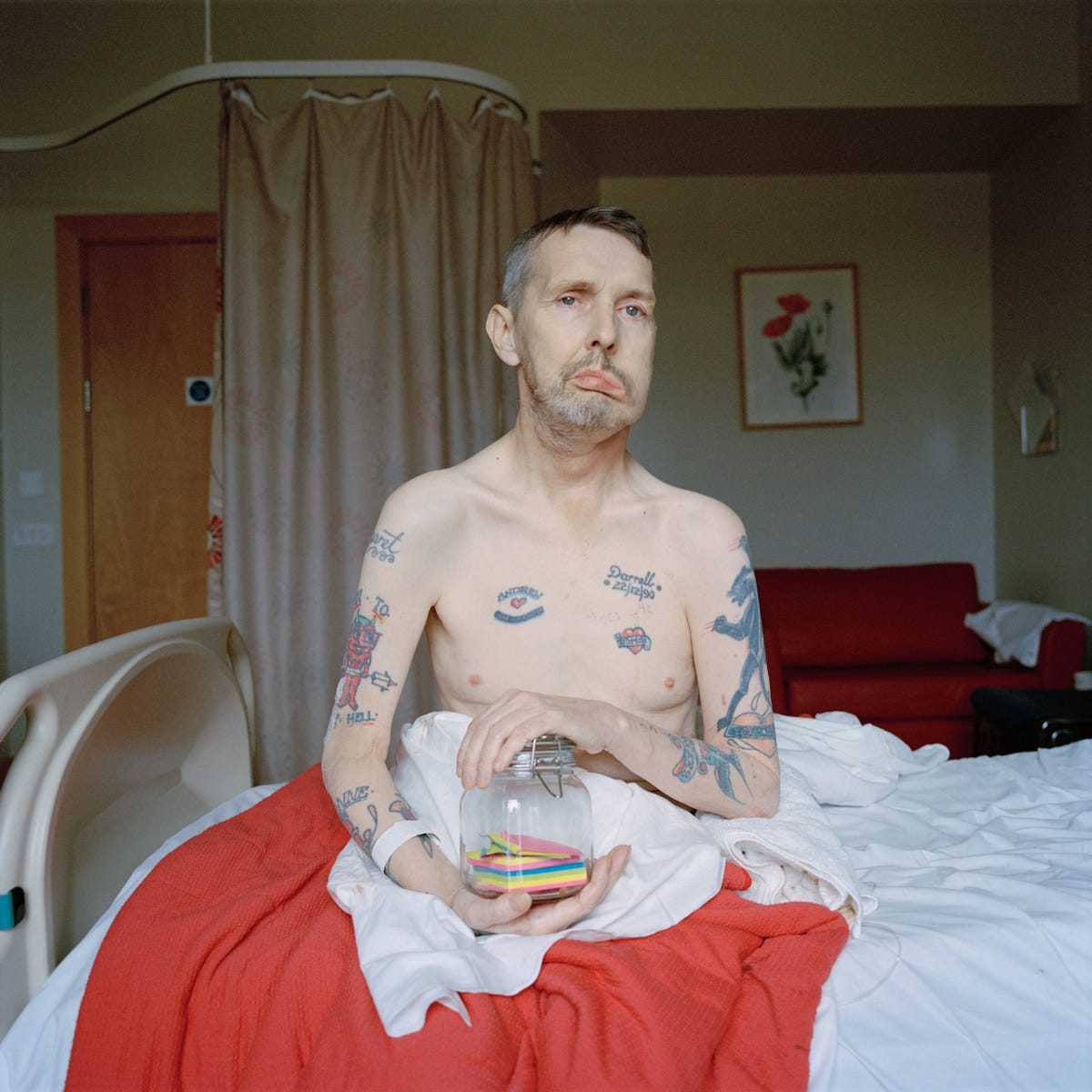
When I first entered the hospice room, I did not know if I would stay to photograph, if my moral compass would guide me back out the door. I knew I would not take photographs if I judged the situation wrong. But over those visits, I learned some aspects of his life, his childhood, his illness, and his reconnecting with family. And his joy in knowing his baby granddaughter set against the reality of his situation.

Photography is a privilege as we enter people’s lives with the ability to make work from that closeness and time together. When I think of this work, I remember those visits, hours spent with him, and my reflections on how to translate the fragility of life before me, the intensity of impending loss, and the love for family.
A man sitting proudly, somehow in defiance, despite all the vulnerability and sorrow. To represent a man after his death is one of the sharpest ethical questions a photographer can face.
I never begin a project or enter a situation with a preconceived idea. I evaluate, listen, and observe. And throughout, I remember the responsibility that comes with this work, as I did each time I entered that hospice room. Across the wider project, I made more than 30 visits to people, in their homes, in hospital and in hospices, and that responsibility and care stayed with me throughout.
Returning to the student’s question of where I learned ethics, to be a decent person. Part of the answer is simple as it comes from that moral compass we all carry, which should guide us through life. But it is also learned through life experiences, through in-depth work with people, through thinking, listening, and observing. I learned through caring about those I meet, their stories, and how others might see and perceive them. It is also about integrity, in believing in the work I do, and hoping it matters. Sometimes that is practical, such as raising funds for homelessness charities through a project. Sometimes it is because a person writes a quiet note to me about how an image resonated with them, after seeing it in exhibition. Other times it arrives unexpectedly, such as a politician’s deep engagement with my work and their observation that it portrayed the kind of lives and situations that had led them into public service in the first place.
I’m grateful to the student for that question, because it told me something important: that they were already thinking carefully about responsibility, and about the weight of representing another person’s life. Those are the same questions I have asked myself for years. I still do.
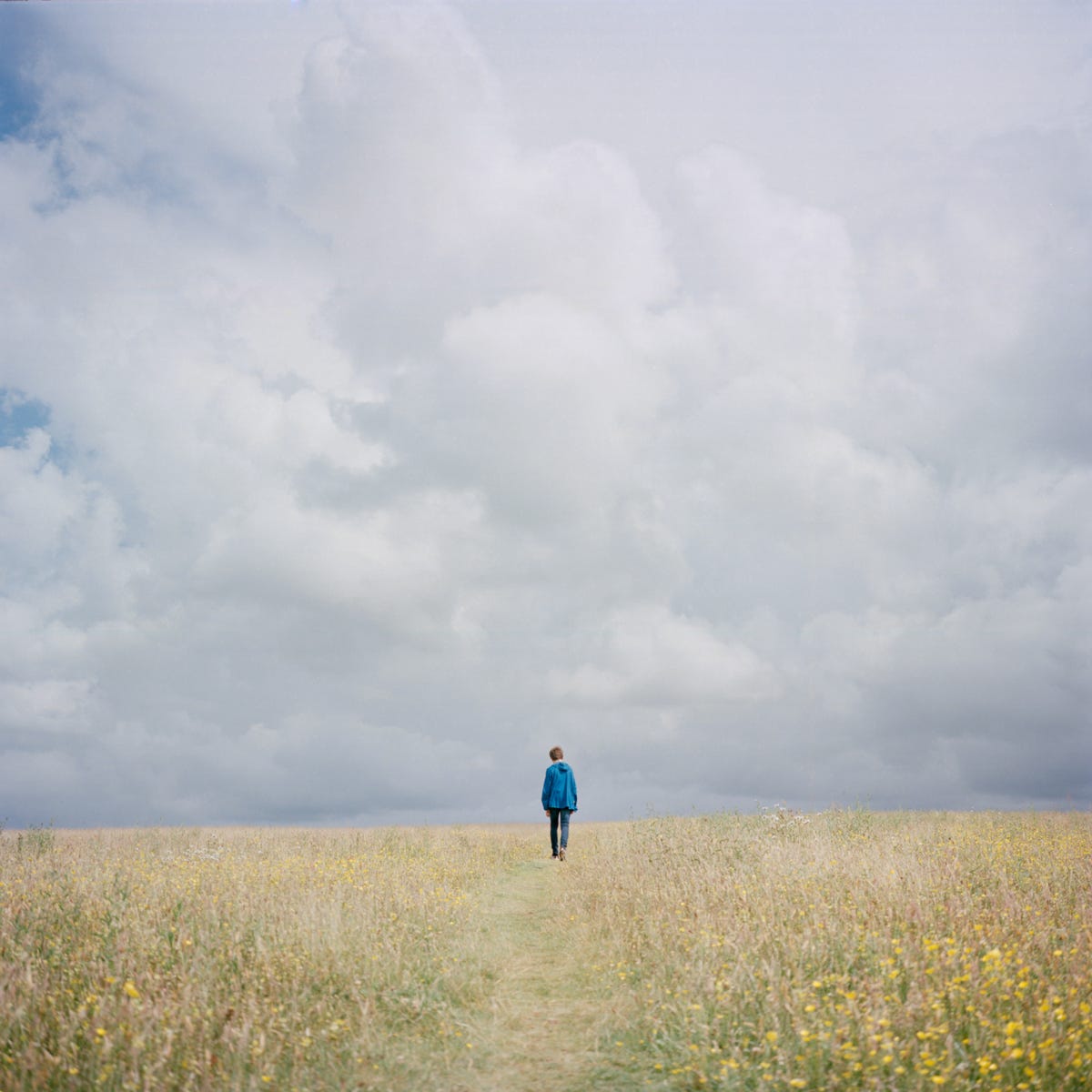
All images: © Margaret Mitchell, all rights reserved.
A version of this article first appeared in the RPS Documentary Magazine, January 2026
For me, ethics is simply the awakening to the precariousness of the other, as Emmanuel Levinas affirms. And photography allows this awakening to be made visible by getting close to the intimacy of the other, which is nothing less than a natural political relationship. As a writer, I approach intimacy as pure exteriority, allowing me to lay bare an ethics lacking resources. Traveling, meeting all strates of society, learning languages, this is how I can put a face to what ethics can do. It remains to be constantly created, which is also a blessing. I think of the excellent work of Wang Bing, who pushes the boundaries of possibility to capture an unrepresentable reality. A drop of reality in its purest form, to borrow Gilles Deleuze's words.
"...so what is released publicly concentrates on people as multidimensional human beings and not limited to just illustrating difficult life circumstances. People are more than their circumstances..."
This is what I first noticed about your work.
You write so well Margaret, amongst your many other talents.